
The Gospels Tell the Story of God's Return
Each Gospel writer presents Jesus as divine but they often do so through a Jewish lens and we simply miss it. Instead of looking for the moments in the Gospels and pointing and shouting, “He’s divine!!” I want to encourage us to read through the Gospels as the story of how YHWH (GOD) came back to his people at last. He did so in Jesus Christ!
“The Son is the image of the invisible God…” “For God was pleased to have all his fullness dwell in him…” Jesus is God in the flesh, is the beautiful proclamation of Colossians 1:15-19. In the 17th and 18th centuries, most people were what are called “Deists” who believed that God was up in his heaven and we are here on earth. If he did in fact create the world, he has retreated to his heaven and no longer has any interaction with this world anymore. This thinking about God steadily transformed into the explicit atheism of the 19th and 20th centuries. With an increasing amount of the culture claiming that God doesn’t exist, Christians have felt the need to “prove” the existence of God and in turn the existence of Jesus as God. This is a wild oversimplification of the shifts in Western culture over the last handful of centuries but I simply want to provide the context for why we mat read scripture a certain way. Within this mindset, we’ve looked to the Gospels to “prove” that Jesus is God. Scholarship spent a great deal of time sorting out that John’s Gospel presents Jesus as divine and the other three do not. The conclusion they often came to is that John was written later than therefore Christ’s divinity was a belief later added to church teaching. Thankfully, the shift in scholarship today is moving away from this kind of thinking about the Gospels. Each Gospel writer presents Jesus as divine but they often do so through a Jewish lens and we simply miss it. Instead of looking for the moments in the Gospels and pointing and shouting, “He’s divine!!” I want to encourage us to read through the Gospels as the story of how YHWH (GOD) came back to his people at last. He did so in Jesus Christ!
Monday – Isaiah 40:1-11; Malachi 3:1-5; Mark 1:1-13
- Reading Isaiah and Malachi, who is the way being prepared for?
- What is Mark communicating about the identity of Jesus in quoting Isaiah and Malachi at the beginning of his gospel account?
- What does Isaiah 40:10-11 tell you about God? About Jesus? Take a moment to meditate on this image of who God is in Jesus. Sit in God’s presence as Shepherd and allow yourself to be sheep for a moment. How does this change how you view life? How does this change how you view God? Jesus?
Tuesday – Exodus 19:1-11; (ch20-23 are the exchanging of vows for the relationship between God and the Tribes) 24:1-4; Mark 1:16-20, 2:13-17, 3:13-19.
“Mark’s Jesus goes about doing and saying things that declare that Israel’s God is now becoming king – Israel’s dream come true. But Jesus is talking about God becoming king in order to explain the things he himself is doing. He isn’t pointing away from himself to God. He is pointing to God in order to explain his own actions.” – N.T. Wright, How God Became King, p.92
- With Exodus 19 and 24 fresh in your mind, what is Mark doing in his gospel account with the story of Jesus? What would a first century Jew see in these passages about Jesus?
- The imagery Mark is leaning on shifts the view of Jesus from being the one who leads the 12 to the one who calls them into existence and gives them their status and role. This is what God was doing in Exodus. Think about who Jesus called to be the 12. How does Jesus “calling them into existence and giving them their status and role” change their identity and their ability to follow Jesus?
- There was nothing significant about Israel other than the fact that God chose them. They were a messed up people chosen to help redeem a messed up world. Who did Jesus choose to partner with him in redeeming this broken world? Mark 2:17 – Who did Jesus come for? Who are “sick” people that you struggle to care about?
- You are a messed up person. God/Jesus calls you to follow him. He changes your role and your status as one who is called. Take time to reflect on your life. What areas of your life need to be shaped by this identity of one who is called?
- Side Note: When looking at who the 12 are, or more specifically who they are not, we have often focused on the fact that they are not women. The tribes are organized by male clan leaders, which was custom in a patriarchal culture. Focusing on the gender of the 12 often draws focus away from the major point that Jesus choosing the 12 was to celebrate God’s faithfulness to Israel. This is symbolized in the 12 being chosen. Therefore, it is important when focusing on “who God did not choose” that we recognize that he did not choose any Gentiles. The focus is less on who can be in leadership and more on what the 12 symbolizes in Jesus’ mission: God is faithful to Israel and has returned.
Wednesday – Ps. 65:5-8, 89:8-9, 107:28-32; Mark 4:35-41
There aren’t just prophetic passages pointing to Jesus coming but Jesus embodies and acts in ways that point to what the Jews would expect of God to return. What was unexpected was that God would come in the form of a person. Read these passage from Psalms. They disciples would know these Psalms by heart. Place yourself in the boat with the disciples with these Psalms in mind.
- They call him teacher but after his actions with the storm they ask, “Who is this?” What are some ways you view Jesus that need to be challenged by the actions you see him doing in the Gospels?
- When was the last time you sat back and simply asked, “Who is this? Even the wind and waves obey him!” Take a moment to ask God to open your eyes to how He is working in the world so that you will continually challenge and expand your view of who He is. My view of God is often and always too small because I limit my view to my experience. Allow the question of “Who is this?” to work on you.
- With the “Who is this?” question in mind, read Mark 5 from the disciples’ perspective.
Thursday – Psalm 22 and Mark 15:21-41
I want to continue to echo that the Gospels are not stories to “prove” that “Jesus is God” but that they tell a story about God coming back in person to rescue his people. This is a slight shift in thinking but moves us from working out “theory” and moves us into seeing the larger narrative that Jesus is acting in. Mark doesn’t seem too concerned with giving us answers in the form of theory. We theorize about what is going on when Jesus (God-in-flesh) cries out from the cross a cry of anguish and abandonment. Mark simply invites you to pay attention to the story. He invites you to come live in it and allow the story to shift the ground on which you are standing.
- We’ve talked about God returning in the form of Jesus to redeem his people. What are the implications of “King of the Jews” being posted above him on the cross?
- “My God, my God, why have you forsaken me?” – What is your reaction to this at first blush? How does your reading of it change after reading all of Psalm 22? What is Mark communicating?
- Jesus was called “God’s Son” at his baptism (1:11) and now called “God’s Son” by the centurion. There are political implications to this which we will talk about in two weeks. The term “God’s son” would have at least four meanings for Mark and the early Christians:
1. In the OT, Israel itself is called “God’s son” (Ex. 4:22; Jer. 31:9)
2. The messiah, Israel’s anointed king, is “God’s son.” This seems to be the primary meaning in the baptism story (2 Sam 7:12-14; Ps. 2:7; 89:26-27)
3. “Son of God” was a title regularly taken by Roman emperors from Augustus onward.
4. In Jesus, Israel’s God had become present, a human, living in the midst of his people, setting up his kingdom, taking on the full weight of the chaos of this broken creation, and conquered death to bring about his new creation in the resurrection. This view of Jesus as “God’s Son” came along very quickly in early Christianity.
- With these four views of “Son of God” in mind, what implications do you see in the centurion’s proclamation?
- Who does Mark say is with Jesus at his death on the cross? Where are the apostles? Why does Mark go out of his way to list off all of the women who were there?
Friday – Luke 19:11-48
- 19:11-26 – Context “He went on to tell them a parable, because he was near Jerusalem and the people thought that the kingdom of God was going to appear at once.” Read this parable with our discussion in mind that Jesus is God who has come back to Jerusalem. The meaning of the parable is that this is the time when God was coming back (in Jesus), coming back finally to see what his people have done with their centuries-old commission.
- How does this make you read this parable differently? If Christ were to visit today, how well have we done with our commission? Also, what is our commission (try not to settle for a quick Sunday school answer)?
- Jesus then enters Jerusalem as king. He tells the parable above to explain what was going on when he himself was arriving in Jerusalem. Jesus then enters the Temple and cleanses it. What does the parable tell you about Jesus’ actions in 19:28-48? How do Jesus’ actions shape how you read this parable? How does the parable shape how you view Jesus’ actions?
- If you would like, keep reading in Luke’s Gospel account and see how the text comes to life with Jesus’ action as God who comes back to Israel. His acted out parable in the Temple of its destruction leads to the long discourse in Luke 21 about the destruction of the Temple (pointing to 70AD when Titus marches in with his army and destroys it).
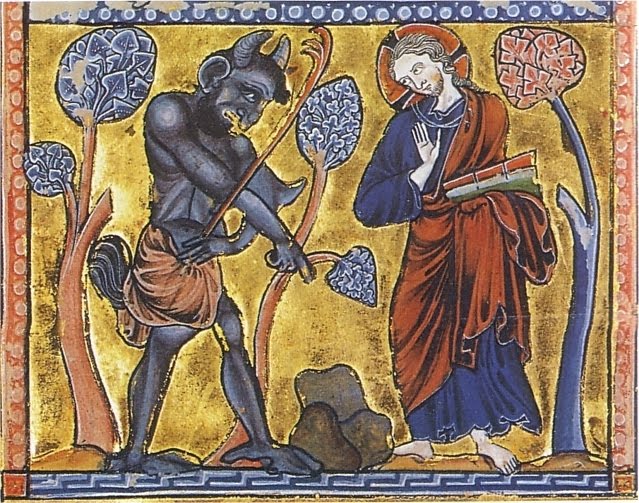
The Climax to Israel's Story
The Gospels make up around 46% of the New Testament and the four writers are dedicated to retelling Jesus’ story in different ways to illustrate major themes and points. My hope with this series is to expose the major themes within the gospels that would have been more apparent to first century Christians than they have been to us. The structure of this series is based off of N.T. Wright’s book How God Became King where he wrestles with the question of “What is the Gospel behind the Gospels?” I highly recommend this book if you’re looking to expand your personal study. He uses the imagery of listening to a symphony through a four-speaker surround sound system to illustrate how we’ve approached the Gospels.
The Gospels make up around 46% of the New Testament and the four writers are dedicated to retelling Jesus’ story in different ways to illustrate major themes and points. My hope with this series is to expose the major themes within the gospels that would have been more apparent to first century Christians than they have been to us. The structure of this series is based off of N.T. Wright’s book How God Became King where he wrestles with the question of “What is the Gospel behind the Gospels?” I highly recommend this book if you’re looking to expand your personal study. He uses the imagery of listening to a symphony through a four-speaker surround sound system to illustrate how we’ve approached the Gospels. To get the best experience out of listening to the symphony, the speakers need to be balanced so the sound is full and clear. Some speakers are turned up too loud and other speakers have been turned off all together. As we go through this series together, my prayer is that you will come to a deeper knowledge of who Jesus is, what he did in his life, what his death, burial, and resurrection meant, and what that means for the church today.
The First Speaker – The Gospels tell the story of Jesus as the climax to Israel’s story.
As we drew to the end of the Old Testament, the narrative seemed open-ended and unfinished. The OT narrative leaves one searching for an ending. Each of the gospels provide their own versions of how Jesus is the One in whom that story finds its proper ending. We’ve often read the Bible in a way that deems the story of Israel as unimportant or insignificant. Jesus didn’t come to do something new but to fulfill something old. This speaker needs to be turned up a bit.
Monday – John the Baptist goes out to the edge of the wilderness, standing at the Jordan, and calls Israel to remember their story. Go back to Deuteronomy 6 where Israel is standing on the other side of the Jordan about to cross over into the Promised Land. They are charged with the task of passing the faith down to their children so that they will not forget who the LORD is. We’ve read their history. They do not do well with this. John goes back to the Jordan and calls them to repentance. He calls them to remember the LORD. Read the passages below and spend some time meditating on each passage
Deuteronomy 6:4-12
Malachi 3:1-5
Isaiah 40:3-11
Mark 1:1-13
Yesterday in Bible class, we talked about what it means for your identity to be shaped by your baptism. This is the moment when you received the Holy Spirit and God looked down on you and said “you are my child. With you I am well pleased.” How would this assurance and affirmation shape the way you live your life if you were to take it seriously?
- God called on Israel as His special possession. What kept them from taking their relationship with God seriously?
- As John calls Israel and us, to come back to the Jordan and remember our identity as God’s people, what can we learn from Israel’s story as we see it lived out perfectly by Jesus?
Tuesday – Israel’s story is a micro story of the story of the world. God chose us in the creation and the creation rebelled against Him. God then chooses a broken people to redeem His broken creation.
John 1:1-42
- How does John tie in the story of Israel into the beginning of his Gospel?
- John combines Israel’s history and creations history in a climax of the Word being made flesh. What does it mean for you that God would become part of His own creation to then redeem it?
- How does the rejection of the Word parallel with Israel’s rejection of God?
- Jesus comes to you and says, “Follow me!” How would you respond?
Wednesday – God chooses Adam and Eve as His people. When tempted with independence from God, they choose poorly. God chooses Israel as His people. When tempted with independence from God, they continually choose poorly. Jesus is taken out to the wilderness and is tempted. Jesus proves to be the true Israel when he shows himself to be the faithful and obedient Son. What does it take to break the cycle of choosing poorly?
Matthew 3:13-4:11
- What two things does Jesus receive at his baptism that you also receive at yours?
- What is Satan challenging in Jesus at the beginning of every temptation?
- What do you see as the root of each of the temptations and how they connect to Israel’s temptations in the wilderness? How to they connect to struggles in your own life?
Thursday – Jesus is the climax of Israel’s story. While the people may have been back in the land for the last few hundred years, and a temple had been built, God’s presence had not filled the temple. The people believed the coming messiah would restore the Temple, bringing God’s glory back to it. Jesus’ actions clearing the Temple had more powerful symbolism than Jesus simply being angry. It is this action that is the last straw taking him to the cross. John’s gospel has this action at the beginning to make everything you read in his gospel is read through that action. The other gospel writers follow Jesus’ Temple action with questions about where his authority comes from. Jesus then tells parables that are condemning to the Jewish leaders. Read those parables through the lens of what Jesus did in the Temple.
John 2:13-25
Luke 19:45-20:19
- What is the most significant part of the Temple? Why is there no Temple today?
- The Temple is the place where heaven and earth come together, when God’s glory fills the Temple. What does it mean that Jesus is the Temple? Where is the Temple now?
- Why do the people reject the servants and then the heir? We live in God’s vineyard, what kind of farmers are we? In what ways do we reject the servants (and heir) sent to us?
Friday – If you want to take more time for today’s devotional, go read all of the resurrection accounts, pay attention to the differences, and ask what the author might be highlighting about Jesus. I love reading the different resurrection accounts but today I want to specifically focus on Luke’s narrative.
Luke 24:1-49
- When did the disciples recognize Jesus? What does this have to do with fulfilling Israel’s narrative?
- V32 and 45 both talk about understanding Scripture. What Scripture(s) are they reading and need to understand?
- Are these Scriptures the individual passages quoted throughout the NT or are they referring to all of the Torah and the Prophets?
- Why is important for them to understand these Scriptures correctly about Jesus?
- When we take the Lord’s Supper, we reconnect with the story of Israel re-imagined in and through Jesus Christ. How does your regular participation in the Table each week help you see Jesus more clearly? How does participating in the Table make Jesus more clear in how you live?
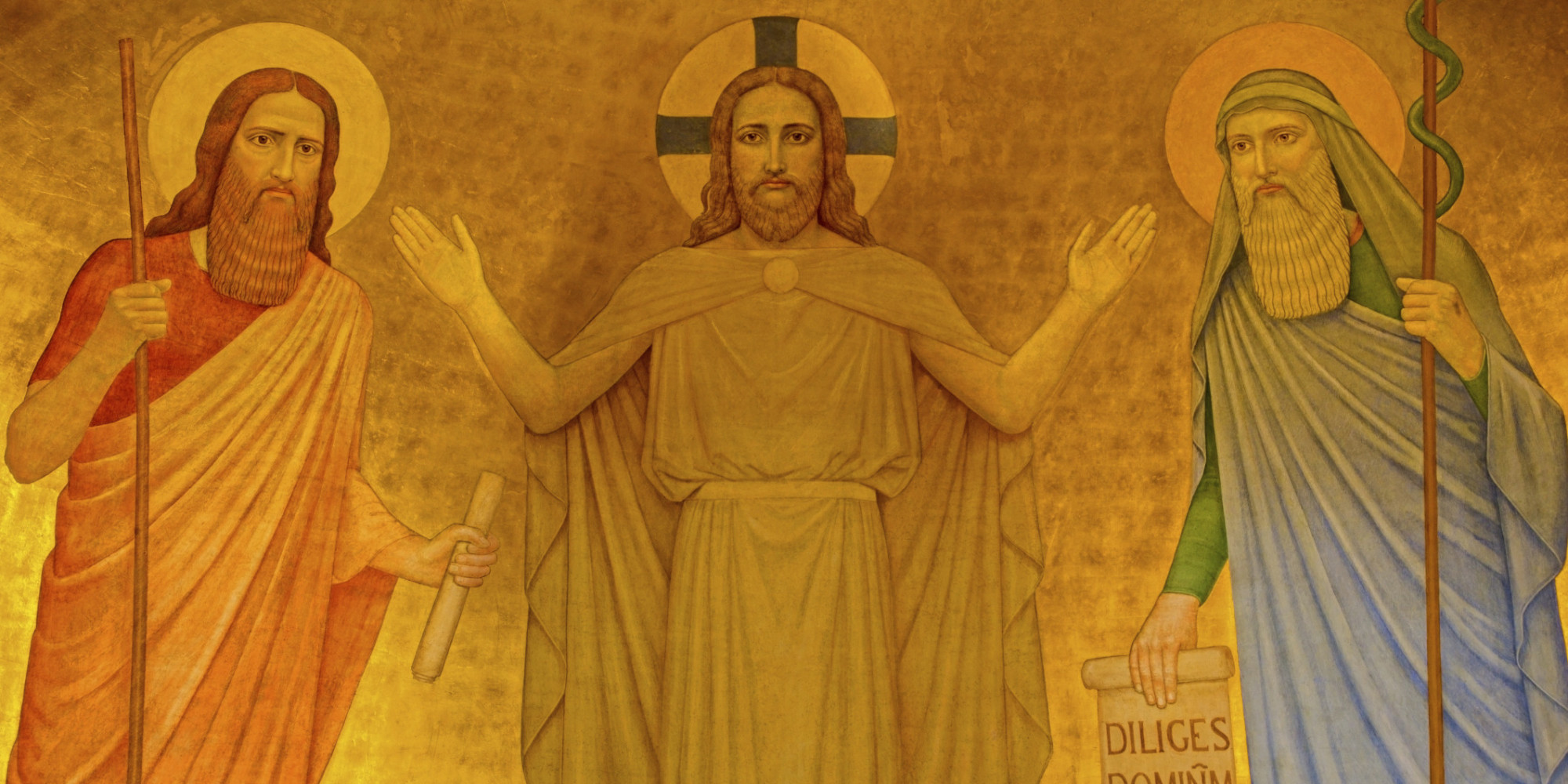
Jesus as a New Moses in Matthew
Matthew writes his gospel account in a way that if you know the story of God's people, images of Moses, Israel, and their story begin to jump off the page. I've prided a daily devotional reading this week to prepare you for next Sunday's sermon. Blessings to you as you study God's Word this week as you prepare to come back together as a Family next week.
Monday – Matthew 1-2
Since we just read through the OT story, this will be one of the few times I’ll ever ask you to read a genealogy. Take a moment to look at the names and see what stories pop into your mind. Tamar (a Canaanite in Gen 38) tricked her father-in-law into impregnating her. Rahab (an Amorite in Joshua 2, 3, and 6) was a prostitute from Jericho. Ruth (a Moabite with her own book) allegedly seduced Boaz on the threshing floor. Bathsheba (a Canaanite wife of Uriah the Hittite) is not actually named but is also highlighted in Jesus’ Genealogy. Using “Uriah’s Wife” instead of Bathsheba reminds the readers of how bad that story was.
- Why does Matthew write the genealogy the way he does? What might he be trying to communicate with these women? With these four women in mind, how do you read Mary’s story differently (What might Matthew be drawing your attention to)?
- Why is it important today that we recognize that Matthew highlights these women in the genealogy of Jesus?
- Moving on to the rest of today’s reading – Where all do you see Moses imagery?
- Think about these two chapters together as a whole – Women in the Genealogy, the name Immanuel, the visitation of the Magi, and the Moses imagery – What kind of Moses is Jesus going to be? Who is he going to bring out of slavery? What does that slavery look like?
Tuesday – Matthew 3-4
As you read this section, continue to look for Israel’s story and Moses connections. Pay attention to location and movements of the reading. How do they all tie together?
- John could have gone anywhere to baptize and bring people to repentance, why does he choose the Jordan river? What narrative is he communicating to his fellow Jews?
- If you’re a first century Jew, how do you read the imagery of Jesus receiving John’s baptism in the Jordan river?
- Jesus passes through the Jordan and into the wilderness for how many days? What does this number represent for Moses on Sinai? For Israel in the Wilderness?
- Exodus 19, God makes his covenant with the people at Sinai. They enter the wilderness to learn dependence on God (something we’ve struggled with from the beginning). Satan meets Jesus in the wilderness and challenges the core of his identity. What question does he continually ask him?
- What three things does Jesus have to combat Satan in the wilderness that you also have?
- At your baptism, God looks at you and says, “You are my Child, whom I love; with whom I am well pleased.” Your core identity comes from your baptism. You are Child of God. Where do you see Satan attacking that identity in your life? You have the same three things Jesus had in the wilderness: prayer (he spent 40 days praying before being tempted), scripture (he knew God through knowing scripture), and you have the Holy Spirit (the core of your identity as a Son or Daughter).
Wednesday – Matthew 5-7
There are so many things to talk about in the Sermon on the Mount but I’ll try to stay focused. Think about all of the Moses imagery up to this point, what imagery is Matthew pointing to with Jesus going “up on a mountainside” to begin preaching about the Law? Jesus embodies Moses here and basically says, “This is what it looks like to be God’s people.” Jesus has not tossed the Law, giving us “free grace” so that we can simply do whatever we want. God’s grace has always been free but we are called to a covenant with God and we have to ask ourselves how seriously we need to take Jesus when we read the Sermon on the Mount. I’ve often found it sobering to read Matt 7:24-29 first and then reading the entire Sermon on the Mount. Jesus presents what it looks like to live in God’s Kingdom and His Kingdom is an “Upside-down Kingdom.” He doesn’t call us to be better than the world. He calls us to be different.
- How would the world be different if Christians took Jesus seriously in his Sermon on the Mount? How would Israel’s story been different if they had kept God’s covenant?
- Which of Jesus’ teachings is the hardest for you? Spend time in prayer about that teaching, asking for transformation.
- Take time to meditate on each section of Jesus’ sermon and simply ask God what you need to hear in each teaching. Do this over the next month.
Thursday – Matthew 11-13
Moses struggled with God’s people in the wilderness. It seems like every other page they were questioning whether they should follow him or not. Read 11-12 with this in mind and then read ch 13 as a commentary on the stories you just read in 11-12.
- Who responds to Jesus positively?
- Who responds to Jesus negatively?
- Who are more neutral responses, neither fully positive nor fully negative?
- How are these parables (ch 13) read differently when placed in the context of people’s responses to Jesus?
- What challenges you the most about these parables? Take a moment to pray for God to transform you through these teachings.
Friday – Matthew 14:13-21; 15:21-39; 16:5-17:23; 20:1-19
I cut down the reading into shorter sections to try and point to the main things I want you to focus on this week. If you are willing to take more time, read this entire section and see how the stories fit together to provide the larger context.
- In the first two readings (ch 14-15), Jesus feeds two large groups of people. Notice the imagery of Moses feeding Israel. What is different between the two groups? Is it a bit bizarre to you that the disciples don’t know how they are going to be able to feed everyone? The group in front of them are not Jews. Maybe they do not think God’s power can bless Gentiles? Maybe they just didn’t want to bless Gentiles?
- Matthew has pointed to Jesus’ interactions with the Gentiles throughout his gospel account to make it clear that “God with us” means ALL of us. Who are people you struggle with that make up your “Gentiles”?
- In the next section of reading (ch 16-17), Jesus questions the disciples about who people are saying that he is. Peter gets the title correct but his understanding is wrong. Peter, much like the Pharisees, was thinking the Messiah would come as victorious warrior to defeat the pagan rulers. Their thinking is based out of Psalm 2 and Daniel 2. Jesus interpreted his role through that lens but also through the lens of Isaiah 53 (the Suffering Servant). There are a lot of depictions of Jesus in our world. How do you know you have a proper view of who Jesus is? How do you decipher whether someone’s presentation of Jesus is correct or not? I tend to be cautious of any “feel good” preaching where Jesus is simply calling you to be the best version of yourself that you can be. This is fairly common in preachers who preach health and wealth. Make sure you know Jesus well!
- The first century Jews reading Matthew’s gospel account would have had Moses heavily on their mind. How might the Transfiguration be read through their eyes? How does this story parallel with Moses on Sinai in Exodus 19?
- What does the story of the workers in the vineyard tell you about God’s love?
Readings for Communion
We’re done with The Story till the first Sunday of September. Throughout the summer, I want to focus on the Old Testament imagery in the New Testament and help us see how Jesus embodies the narrative of Israel and help us better understand our calling as a church. We’re starting this Sunday with a communion service where we will look at how Jesus took the narrative of Israel, embodied in the practice of Passover, and reimagined it in a new narrative in his life, death, burial, and resurrection. We all come to the Table with a diversity of narratives. These narratives shape who we are. When we take up the bread and the wine in Communion together, we take up a common narrative as we move forward. Let’s look back together as we look forward to what Christ has called us to.
We’re done with The Story till the first Sunday of September. Throughout the summer, I want to focus on the Old Testament imagery in the New Testament and help us see how Jesus embodies the narrative of Israel and help us better understand our calling as a church. We’re starting this Sunday with a communion service where we will look at how Jesus took the narrative of Israel, embodied in the practice of Passover, and reimagined it in a new narrative in his life, death, burial, and resurrection. We all come to the Table with a diversity of narratives. These narratives shape who we are. When we take up the bread and the wine in Communion together, we take up a common narrative as we move forward. Let’s look back together as we look forward to what Christ has called us to.
Monday
Exodus 12:1-51
- How does this narrative shape Israel’s identity?
- Every generation of Jews retells this narrative in a way that it becomes their own. They say, “You brought us up out of Egypt,” as if they were there. How does retelling this narrative in that way shape their identity as a people? How does it shape their understanding of God?
- What is Israel’s position in the narrative? How should their position shape the way they treat oppressed people?
Tuesday
The Exiles are back in Jerusalem and the Temple has been rebuilt. Ezra and Nehemiah get the people together for spiritual renewal and have a 7-Day Toray Marathon. They celebrate the Feast of Booths (Festival of Tabernacles). In chapter 9, they confess their sins and the sins of their ancestors. These booths are what the farmers live in during the harvest and also the type of housing they had during the Exodus from Egypt.
Nehemiah 9:1-37
- Why is it important that the people confess their sins while they retell their narrative with God?
- Why is it important that they share in the sins of their ancestors?
- Where is God in this narrative?
- What are things in your narrative that you leave out that would be good but hard to tell in your narrative?
- Take a moment to write your story, both good and bad. Consider sharing it with your family. Share where God has worked through these things.
Wednesday
Jesus’ Last Supper with his disciples is within the context of the Passover. Consider the narrative of Israel that you’ve read the last two days while you read this passage.
Luke 22:1-46
- What does Jesus do with Israel’s narrative? How does this shape your view of the Lord’s Supper?
- What does this mean for the disciples moving forward? What does it mean for the disciples that Jesus eagerly desired to eat this Passover with them before he suffered.
- Take a moment to put yourself in each character’s place in the story. What does this reveal about yourself?
- How does your narrative connect with the Last Supper?
Thursday
John structures his gospel account differently than the other gospel writers. He moves Jesus’ clearing of the Temple to the beginning of his gospel so that everything you read in Jesus’ story is see through that lens. The Jews were looking for the Messiah to restore the Temple. Pay attention to the dialogue in that story. At the end of it, John mentions that Jesus was there for Passover. John places the Passover in the minds of his readers so that the narrative of Israel is present in their minds while they read Jesus’ story.
John 2:13-23 and 13:1-38
- How does Jesus embodying of the Temple shape how you might read the Gospel of John?
- What does God’s presence in Jesus as the Temple change about how you might view the narrative of the Passover?
- In chapter 13, Jesus washes his disciples’ feet in the middle of the Passover meal. What does this action mean for how they are to view and act towards one another in taking The Lord’s Supper?
- It is easy to view yourself as above others, to not view them as fully human in how you treat them. Jesus’ actions here are an example of what the Lord’s Supper does for us as a community. Who do you struggle to see as someone worthy of serving? Allow this meal we take together to shape how you view and act towards those people.
Friday
Peter writes to Gentiles using Jewish language of being “diaspora” or “aliens.” He is connecting them to the narrative of Israel because we all take on this narrative together as God’s people. We’ve walked through the narrative of the Passover this week together. We’ve reflected on the original story, Nehemiah’s account of the people confessing their sins in connection with the larger narrative of Israel, and a few of the Gospel accounts of Jesus placing the Lord’s Supper in the middle of the Passover.
1 Peter 1:1-25
- The prophets (authors of the OT) searched intently for the glory that you have in Jesus Christ. The angels longed to see it! You’ve received the Holy Spirit within you, the glory of the Temple. You are the Body of Christ. Your narrative has blended with the narrative of Jesus Christ. How does this shape your approach to the Lord’s Supper?
- As you come around the Table, God calls you to “Be holy, because I am holy.” Your narrative has changed as it has encountered the narrative of Christ on the cross. What areas of your life need to be transformed more into the image of Christ?
- In verse 19, Peter points to the Passover, referencing Christ’s blood. When we take of the cup in the Lord’s Supper, we lay our narrative down to take up the narrative of Christ. What narratives do you live by that need to be placed on the alter?
- We’re called to live as aliens here. The Lord’s Supper is our reminder of where we have come from and where we are going. How does the Lord’s Supper shape your identity of citizenship?
Rebuilding the Walls - Chapter 21
The same message is laid down before us that was set before God’s people 2400 years ago with Malachi: Will we be faithful to God’s call “to bring unity to all things in heaven and on earth under Christ” (Eph 1:10) who replaces the Temple with his body, the Church. Will we be the Israel, Israel failed to be?
We’ve made it to the end of the Old Testament! I hope this journey has been a blessing to you. I’ve learned a lot along the way and feel like I have a better sense of what God is doing in the world and what His intention is for the church. I look forward to our break to examine the OT themes in Gospels and NT with you this summer as we prepare for the rest of The Story. I know Ethan will do a great job this Sunday. Here are my reflections on Malachi. I hope they are a blessing to you and your studies.
I want to focus our attention on the book of Malachi. We’re 100 years after the return from exile. The Temple has been rebuilt and is fully functioning but one thing is missing. God’s presence hasn’t descended on it like at the end of Exodus (Tabernacle) and 2 Chronicles 7. The prophetic hope is in a New Jerusalem where God’s presence will be with them and there will be a king on the throne who will last forever. The people are corrupt and injustice is taking place all around Jerusalem. The people feel neglected by God and voice their frustrations. Malachi is structured as a series of disputes between God and the people. God makes a claim and the people respond. The first three disputes (ch1-2) is God exposing Israel’s corruption and the final three are God confronting Israel’s corruption. The basic summation is that the exile fundamentally didn’t change anything in the people and their hearts are as hard as ever.
God begins by reminding the people that He loves them. He STILL loves them! But the people dispute this because the people around them seem to be doing better than them. God reminds them that He chose them. He chose Jacob and not Esau. “Jacob I loved and Esau I hated” is a poor translation in English because “love” and “hate” are too strong of words. The word used is one of choosing. God chose to bring about His promises through them and not Esau’s family much like Jesus chose some for his work and not others. This doesn’t mean that God hates them but that He chose Jacob.
The second dispute has to do with Temple sacrifices. The people are bringing sick and lame animals for sacrifice and the priests are allowing it. The question I want to pose here is, to what extent should the leaders of the church hold its members accountable to bringing right worship to God? This is a much debated question, especially in a culture that has privatized worship to a “personal walk with God.” How can we as leaders better challenge you to bring proper worship?
The third dispute has to do with idolatry and divorce. A lot has been done with these passages to be harsh towards divorcees and divorcers. When the text says that “God hates divorce” we need to remember that He does love those who have had to go through this horrible experience. The issue in Malachi is more of marrying foreigners and bringing their gods into their homes. They are divorcing their wives for “no good reason” which leaves women and children marginalized in society and on the streets. Divorce is a horrible thing. I think anyone who has had to go through one would probably agree. The image we should be reaching for is one of faithfulness to God. Faithful relationships to one another in marriage is a small embodiment of God’s relationship with us.
The fourth dispute has to do with God’s justice. The people complain that justice isn’t being served, asking where God is in all of this. His response is one that needs to be heard. God reminds them where His justice will begin. He will come like a refining fire for Israel and bring judgement on all who are creating injustices. The problem the people neglect to see is that they are the ones who are causing the injustices. Asking for God’s judgement to come is a dangerous thing when you are not ready for it yourself. God’s judgment is coming and that is a good thing. It is coming to set the oppressed free, to lift up those who have been beaten down, and to give honor to those who have been marginalized. The question we have to wrestle with is, are we already working with God to bring reconciliation to people who are suffering from injustices?
The fifth dispute is about robbing God. They people are neglecting their tithe and the Temple has fallen into disrepair. I don’t want to spend too much time here because no one loves a preacher who talks about tithing. But, the question we have to ask is about Marriage. What kind of person are you if you only take from the marriage and don’t give anything to it?
The final dispute is the people complaining that bad people are succeeding in life (more or less). This time, God tells a story about the faithful remnant in Israel who are holding close to the Torah. A “Scroll of Remembrance” is written to remember God’s character and promises. This is the divine gift of scripture. They point us to the past to inspire hope for the future. The conclusion of the book points to the Day of the Lord coming where God’s purifying judgment will come to remove the wicked from among His people. But, the conclusion adds a picture of the faithful remnant who do not fear the coming of the Lord because it is not a threat for them but a cause for joy.
The last three verses ends as a type of appendix for Malachi…and for the Old Testament. It is a call to remember the Torah of Moses and points to the coming of the Prophet Elijah before the Day of the Lord, who will restore the hearts of God’s people. This summarizes the Torah and the Prophets as a unified story that points to the future…when God will send a New Moses and Elijah to restore God’s people. Remember these images as we get into the story of Jesus. Matthew presents him as a New Moses. As you begin to read the Gospels, have your eyes open as you look through the story of Israel as a lens to recognize what Jesus is doing and what God has called His Church to do.
The same message is laid down before us that was set before God’s people 2400 years ago with Malachi: Will we be faithful to God’s call “to bring unity to all things in heaven and on earth under Christ” (Eph 1:10) who replaces the Temple with his body, the Church. Will we be the Israel, Israel failed to be?

The Queen of Beauty and Courage - Chapter 20
Esther is such a fascinating book. Up to this point in scripture, God has communicated with people, shown up in divine action, sent prophets who speak with His voice, and much more. God is absent from the book of Esther in all of these ways. Over the last few months, I’ve tried to point to literary structures and devices to help bring life to the text. We miss a lot because we are so far removed from the context, language, and culture. I hope those things have been of benefit to you. Today, I want to wrestle with a theological question that comes out of Esther and post a video for you to watch to find more out about the book itself. The question I want to pose to us this week is this, “What do you do when you do not hear God’s voice?”
Esther is such a fascinating book. Up to this point in scripture, God has communicated with people, shown up in divine action, sent prophets who speak with His voice, and much more. God is absent from the book of Esther in all of these ways. Over the last few months, I’ve tried to point to literary structures and devices to help bring life to the text. We miss a lot because we are so far removed from the context, language, and culture. I hope those things have been of benefit to you. Today, I want to wrestle with a theological question that comes out of Esther and post a video for you to watch to find more out about the book itself. The question I want to pose to us this week is this, “What do you do when you do not hear God’s voice?”
Working with young people for nearly a decade, and especially the college students I worked with, the question they wrestled with the most in their spiritual walk was, “I want to make sure I’m doing what God has planned for my life.” I’ve seen a lot of Christians over the years frozen by indecision because they are waiting on God to give them some kind of sign. There is a certain level of fear that they will make a major life decision that isn’t what God planned for them. These decisions often have to do with marriage, job, where to move, etc. “What is God’s will for my life?” plagues many of us. So, what is the “will of God” for your life? Ephesians 1:8b-10 gives us some insight, “With all wisdom and understanding, he made known to us the mystery of his will according to his good pleasure, which he purposed in Christ, to be put into effect when the times reach their fulfillment—to bring unity to all things in heaven and on earth under Christ.”
What is God’s will for your life? Do everything you can to bring unity to all things in heaven and on earth under Christ. There it is! Do it! Ok…what does that mean? If you see someone or a group of people who have been marginalized by society, what can you do to bring them to unity with everyone else? Bringing all things to unity under Christ does not always have to be done in big ways. Decisions you make every moment of every day can make major changes in the world around you to bring everything under Christ. You might be called to go to the mission field but what would it look like to live out faithfulness to God’s will right here and right now?
Esther was forced into a beauty contest. She won. She became queen. We have no evidence of God intervening in any of this but it seems obvious that God is working through it all. Esther was a super model turned queen. She didn’t leave her high position to find people to serve but was faithful to God where she was. God never gave her direction but she took care of God’s people by being virtuous in her position. Mordecai could have manipulated her into action telling her that God has obviously put her in that position or that it is her destiny. Instead, he says that deliverance will come from somewhere if she does nothing but asks the simple question, “Could this be why you’re in this royal position?” Her choice was to stare the potential of death in the face and then do what was right.
Looking back at this story, you can see where God works through different situations. Where in your life can you look back and see where God has worked while you never heard His voice in the process? Are there areas in your life right now where you’re keeping God from working to bring unity? I’m continually praying that God will open our eyes to see where He is working in the world so that we will meet Him there.
The Return home - Chapter 19
My prayer for the church at Queen City is that we will move beyond going to church and start being built into the Temple, God’s dwelling place in Charlotte. This means that as a people, we seek to make the world around us more like the Creation God intended for it to be. What does that look like to you?
Our reading this week begins with the first six chapters of Ezra. The books of Ezra and Nehemiah were originally written as one book together. They were divided into two books in the 3rd century AD and placed into the historical section of the Christian canon. The original book was divided into four sections: Ezra 1-6, 7-10, Nehemiah 1-7, 8-12. Each section begins with hope but ends with an anti-climax of disappointment. Ultimately, the book of Ezra/Nehemiah points out the need for a new heart (echoing Jeremiah 31 and Ezekiel 36). For this week, I will stay within our reading and in two weeks I will expound on the last three section of Ezra/Nehemiah when we get back to them in The Story.
King Cyrus permits any Jew who would like to return to Jerusalem to go with Zerubbabel in what you could call a new Exodus. The purpose of them going is to rebuild the Temple. In 537BC, Zerubbabel (which means “Planted in Babylon”), leads nearly 50,000 people back home on a rebuilding mission. The basics are taken care of but the older people lament because it isn’t quite what it used to be. What is the issue? Is the because the grandeur isn’t the same? What is missing from the Temple is the most important aspect of why the Temple is there. Where is God’s presence? Maybe this is why the Temple doesn’t feel the same as the first one?
This section ends with Zerubbabel running off people in the land who came to help them build the Temple. This is the anti-climactic end to this first section. The Israelites who were left in the land want to come and help build God’s Dwelling Place have been rejected. Zerubbabel has forgotten that the purpose of Jerusalem and the Temple is to bring all people together as one people as God intended in the Garden. This was the promised to Abraham in Genesis 12 and the purpose for God’s people being a light to the nations. He has turned them away.
We turn now to the prophet Haggai. The people get discouraged in rebuilding the Temple because of the oppression they are experiencing from outsiders. Because of their opposition, they neglected to put first things first. They focused on building their own livelihood before building God’s house. God wants so desperately to be with His people but they are distracted with taking care of their own houses. This passage is best understood within the context of marriage. This is a matter of covenant faithfulness. Haggai gives the same speech to the people that Moses gives. Obedience breeds blessing and unfaithfulness breeds ruin. True repentance and covenant faithfulness will lead to the coming of God’s kingdom and blessing. Marriage again is the best lens to look at this. Faithfulness and commitment in marriage leads to a healthy marriage that then blesses you and the world around you. To the older generation who remembers the glory of the first Temple, Haggai reminds them that God will bring a New Jerusalem who’s King will be established as an everlasting King and will defeat evil among the nations. This imagery is what we find at the end of Revelation in chapters 19-22.
God has called us to partner with Him in establishing His Temple here on earth. Paul in 1 Corinthians 3:16-17 says, “Don’t you know that you yourselves are God’s temple and that God’s Spirit dwells in your midst? If anyone destroys God’s temple, God will destroy that person; for God’s temple is sacred, and you together are that temple.” We the church are the Temple of God. I’m not the Temple. I am part of the Temple with you, the Church. In Ephesians 2:19-22, Paul says we are being built together to become a dwelling in which God lives by his Spirit. The question we must wrestle with today is, what have you placed as more important than building God’s Temple? Are you a consumer of church or are you working towards being part of this dwelling place called Church? Take a moment to examine your life, what is more important than building God’s Temple here in this place?
My prayer for the church at Queen City is that we will move beyond going to church and start being built into the Temple, God’s dwelling place in Charlotte. This means that as a people, we seek to make the world around us more like the Creation God intended for it to be. What does that look like to you?

Daniel in Exile - Chapter 18
The book of Daniel is set right after Babylon’s first attack on Jerusalem and they had plundered the city and its temple and taken a group of Israelites into exile. Among them, four men from the royal family of David: Daniel, Shadrach, Meshach, and Abedmego. The book tells of their struggle to maintain home in the land of their conqueror.
Over the years there has been concern about the Ten Commandments being taken out of our public spaces. This is a multifaceted issue in our culture. When Christians are asked to list off the Ten Commandments, a significant number of them cannot. Is that the issue though? For a lot of Christians, the issue is about the USA losing its identity as a “Christian Nation.” If our emblems are removed from our public spaces, will God’s presence be removed from our nation? I want to keep these questions in mind as we read through The Story this week.
One of the images from last week’s reading that has stuck with me into this week is the image of God moving east out of Jerusalem. The image Ezekiel has is of God following His people into Babylon. He has disciplined them by sending them into exile but He has not abandoned them. This week’s reading covers roughly 70 years of God’s people being in exile. In today’s reflections, I want to mainly focus on the book of Daniel.
The book of Daniel is set right after Babylon’s first attack on Jerusalem and they had plundered the city and its temple and taken a group of Israelites into exile. Among them, four men from the royal family of David: Daniel, Shadrach, Meshach, and Abedmego. The book tells of their struggle to maintain home in the land of their conqueror. How will God’s people retain their identity as God’s people in a foreign land. Daniel is one of those books that the structure of the book communicates the message as much as the stories within the book do.
The book’s design is simple at first glance. Chapters 1-6 are about Daniel and his friends in Babylon while chapters 7-12 contain the visions of Daniel about the future (which are not in our readings in The Story this week). This two-part shape structure is made even more interesting by another design feature. The book is actually written in two different languages. The first chapter of Daniel is written in Hebrew, the language of the Israelites but chapters 2-7 are written in Aramaic, a cousin language to Hebrew, spoken widely among the ancient empires. Chapters 8-12 then go back to Hebrew. The language difference demonstrates that chapters 2-7 should be read as a coherent section and highlights the importance of chapters 2 and 7 for understanding the later chapters of the book.
The first chapter of Daniel introduces the basic attention of the first half of the book. Daniel and his friends are really wise and capable. They are recruited to serve in the Royal Palace of Babylon and are pressured to give up their Jewish identity by living and eating like Babylonians (and giving up the Jewish food laws found in the Torah). In order to make it in this new nation, they will need to give up their old identity. They have been removed from access to the Temple and the emblems that mark them as God’s people have been removed. What is the response of Daniel and his three friends? Live out faithfulness to God powerfully in the face of a culture that is changing the rules on what it means to live. As our emblems are continually removed from our culture, the greatest response we can have is one of faithful living. What would it look like if Christians stood up and said, “We will be the presence of the Ten Commandments in this nation”? As you read this week, reflect on what it looks like for Christians to live counter culturally in what some are calling “Post-Christian” America.
This post has already gotten pretty long and there’s a lot more to say about the book of Daniel. I’m posting a great video below that sketches out the structure of Daniel in a way that is easy to follow. I think it’ll be worth 8min of your time to watch it. Here are some of the highlights that need to be heard:
1. Daniel’s interpretation of Neb.s dream is basically saying that God’s Kingdom will humble and bring down ALL of the kingdoms of this world.
2. Ch 4-5 – Stories of two kings (father and son) who are called to humble themselves before God. Neb goes mad/crazy and ends up acting like a beast in a field. He humbles himself before God and gets better. His son does not humble himself before God and is assassinated that same night. This is drawing on the imagery that we are made in the image of God. When we make ourselves out to be god we become less than human because we become less than the image of God. We therefore become like beasts.
3. Ch 7 – Daniel has a dream about beasts but needs the dream interpreted. The beasts represent these kings who exalt themselves above God and persecute God’s people (The better you understand what is going on here in Daniel, the better you will understand the imagery of Revelation). God destroys the beast(s) and exalts the “Son of Man” (covenant people and their king) to his right hand.
4. The final visions of Daniel have been interpreted in a number of ways but each interpretation doesn’t match up with the numbers and imagery perfectly. Each are right in their own way. The book of Daniel is written to give hope to each generation reading it. That is why the imagery can be adapted by other, including Jesus and John the author of Revelation. The point? There is a pattern and promise for all generations: Pattern – Human beings become beasts when they don’t acknowledge God’s Kingdom. Promise – God will confront the beast and rescue His world by bringing His Kingdom over all nations.
5. This book communicates a message of hope that should motivate faithful living.
Check out this video on Daniel
The Kingdom's Fall - Chapter 17
Have you picked up on the rhythm of the Story yet? From the very beginning God has called His people to draw close to Him, they walked away, and God continued after them. There are seasons in relationships. Sometimes you feel close and sometimes not so much. I believe it is healthy to go through the ebbs and flows of relationship with God. I’m not saying that it is good to turn to idol worship. It is essential to have your thumb on the pulse of your relationship with God to recognize when you need to draw closer and deeper in relationship with Him. If your relationship hasn’t changed in the last 10 years, maybe your idle worship has become idol worship? Be ever increasing in your walk with God and let Him transform you. In the words of John the Baptist (John 3:30), “He must increase, I must decrease.”
Our reading this week takes us on a journey through the final kings of Judah and into the exile to Babylon. This last week we read about the fall of Israel and we’re left wondering if Judah will see their demise and learn from them or not. Well…they don’t. Hezekiah sets Judah back in a good direction but the rest are bad with the exception of Josiah, who found the Torah tucked away in the Temple somewhere and rigorously brought back covenant living. Here’s a quick list of kings to put these stories into perspective:
Hezekiah Good 29 years II Kings 18:1 II Chronicles 29:1
Manasseh Bad 55 years II Kings 21:1 II Chronicles 33:1
Amon Bad 2 years II Kings 21:19II Chronicles 33:21
Josiah Good 31 years II Kings 22:1 II Chronicles 34:1
Jehoahaz Bad 3 months II Kings 23:31II Chronicles 36:1
Jehoiakim Bad 11 years II Kings 23:36II Chronicles 36:4
Jehoiakin Bad 3 months II Kings 24:6 II Chronicles 36:9
Zedekiah Bad 11 years II Kings 24:17II Chronicles 36:11
Manasseh was the worst of them. He instituted child sacrifices and even sacrificed his own son. He was carried off by the Assyrians and cried out to the LORD for help. The LORD responds to his repentance! The Lord is a God of grace, even in the Old Testament. But, things don’t last long as they move closer and closer to Babylonian exile. Jeremiah and Ezekiel enter the picture with the last three kings (Nahum, Habakkuk, and Zephaniah were with the previous four kings).
Jeremiah, a priest, lived and worked in Jerusalem during the final decades of the kingdom of southern Judah. He was called as a prophet to warn Israel about the severe consequences of breaking their covenant with God through idolatry and injustice. He even prophesied about Babylon being an instrument of God to bring judgment by destroying Jerusalem and carrying off the people into exile. He lived through the siege and destruction of Jerusalem and witnessed the exile personally.
His prophesy was both to the people of God and to the nations. His words were intended not only uproot and tear down but to also plant and build up. This means that his message of destruction comes with a message of hope for the future as well. Jeremiah leans heavily on adultery language to address the problem of idolatry. Prostitution. Promiscuity. Unfaithfulness. Adultery is what the people are doing. The priests, the kings, and even other prophets have all become corrupt. What is the tragic result of idolatry? Rampant social injustice. The most vulnerable people in Israelite communities, the widows, the orphans, the immigrants were all being taken advantage of, in clear violation of the laws of the Torah. The leaders of the nation don’t even care because this demographic of people are a drain on society. God told Jeremiah (5:1) to walk the streets of Jerusalem to try and find one good person who deals honestly and seeks truth and God will spare Jerusalem. How far gone are God’s people? He is comparing them to Sodom and Gomora!
Ezekiel was a priest living in Jerusalem during the first Babylonian attack on the city. Ezekiel was among the first group taken into exile and the book of Ezekiel begins five years after that. On his 30th birthday (a lot of scholars believe), Ezekiel was sitting on the bank of an irrigation canal near his refugee camp when he had a vision from God. His 30th birthday is the year he would have been installed as a priest in Jerusalem but instead, God installs him as a priest in exile and a prophet.
Ezekiel’s vision: He sees a storm cloud approaching. And then inside the cloud are four strange creatures with wings outstretched and touching each other. Each creature had four faces. There were four wheels. One by each creature. Their touching wings were supporting a dazzling platform. There was a throne on the platform and on the throne, was a human-like creature glowing and shrouded in fire. Suddenly, Ezekiel realizes what he is seeing and calls it, “the appearance of the likeness of the glory of the LORD.” It's God riding His royal throne chariot. The images in this vision are very similar to what happened when God appeared on Mount Sinai in Exodus and similar to the depictions of God’s presence over the Ark of the Covenant. What is so amazing about this scene? God is supposed to be in the temple in Jerusalem. What is God’s presence doing in Babylon? God gives Ezekiel his prophetic instruction. He will not only speak the words of God but he will also have to act out divine prophecy in his life in some really weird ways. God sends him on this mission with the assurance that no one will listen to him. In Ezekiel 8-11, he has another vision. This time it is of the Temple. Everyone is worshipping other gods inside and outside of the Temple. God has been pushed out and Ezekiel sees the presence of God moving eastward towards Babylon. God continues not to give up on His people and He follows them into exile.
Have you picked up on the rhythm of the Story yet? From the very beginning God has called His people to draw close to Him, they walked away, and God continued after them. There are seasons in relationships. Sometimes you feel close and sometimes not so much. I believe it is healthy to go through the ebbs and flows of relationship with God. I’m not saying that it is good to turn to idol worship. It is essential to have your thumb on the pulse of your relationship with God to recognize when you need to draw closer and deeper in relationship with Him. If your relationship hasn’t changed in the last 10 years, maybe your idle worship has become idol worship? Be ever increasing in your walk with God and let Him transform you. In the words of John the Baptist (John 3:30), “He must increase, I must decrease.”